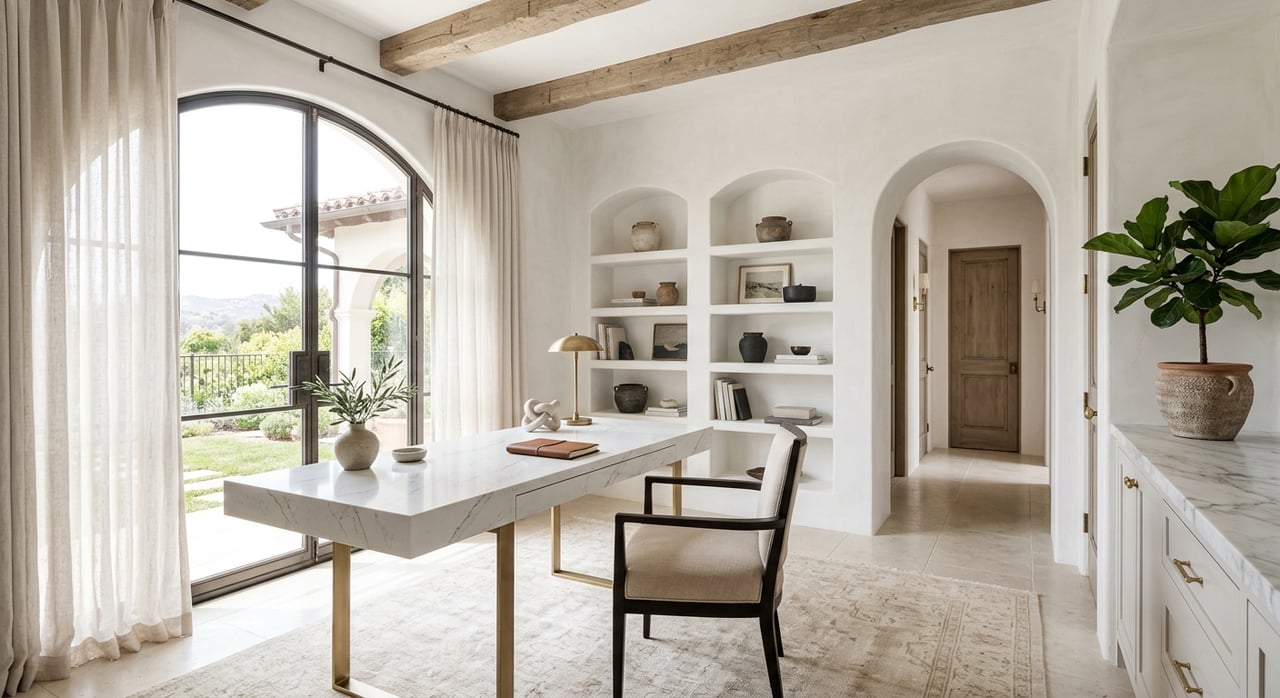
If you picture Silicon Valley living as dense and fast-paced, Saratoga offers a different rhythm. Here, estate living often means larger lots, quiet residential streets, space to work from home, and easy access to dining, trails, wineries, and arts venues close to town. If you are wondering what daily life really feels like in Saratoga, this guide will walk you through the routines, amenities, and practical ownership details that shape the experience. Let’s dive in.
What Defines Saratoga Estate Living
Saratoga is a small city in Santa Clara County with an estimated 2025 population of 30,418 spread across 12.78 square miles. It is also a largely owner-occupied community, with an 86.4% owner-occupied housing rate, high broadband adoption, and a median owner-occupied home value above $2,000,000. Those numbers help explain why Saratoga appeals to buyers who want privacy, permanence, and room to spread out.
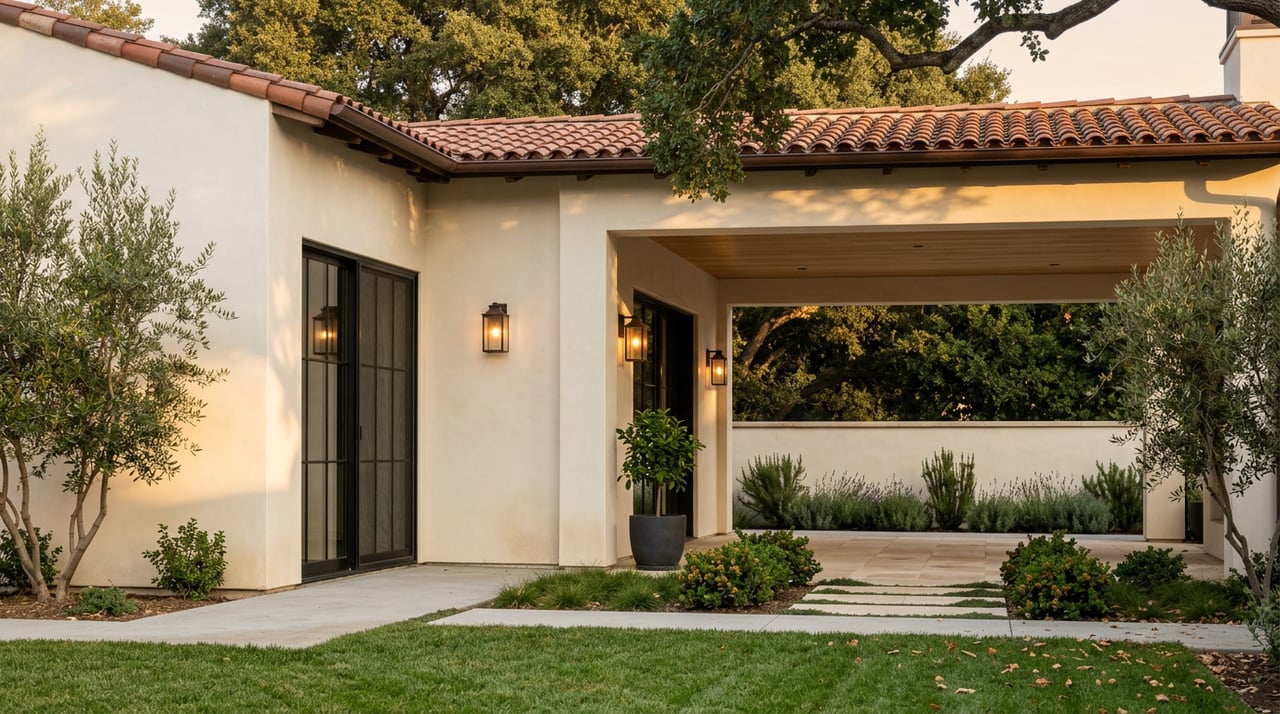
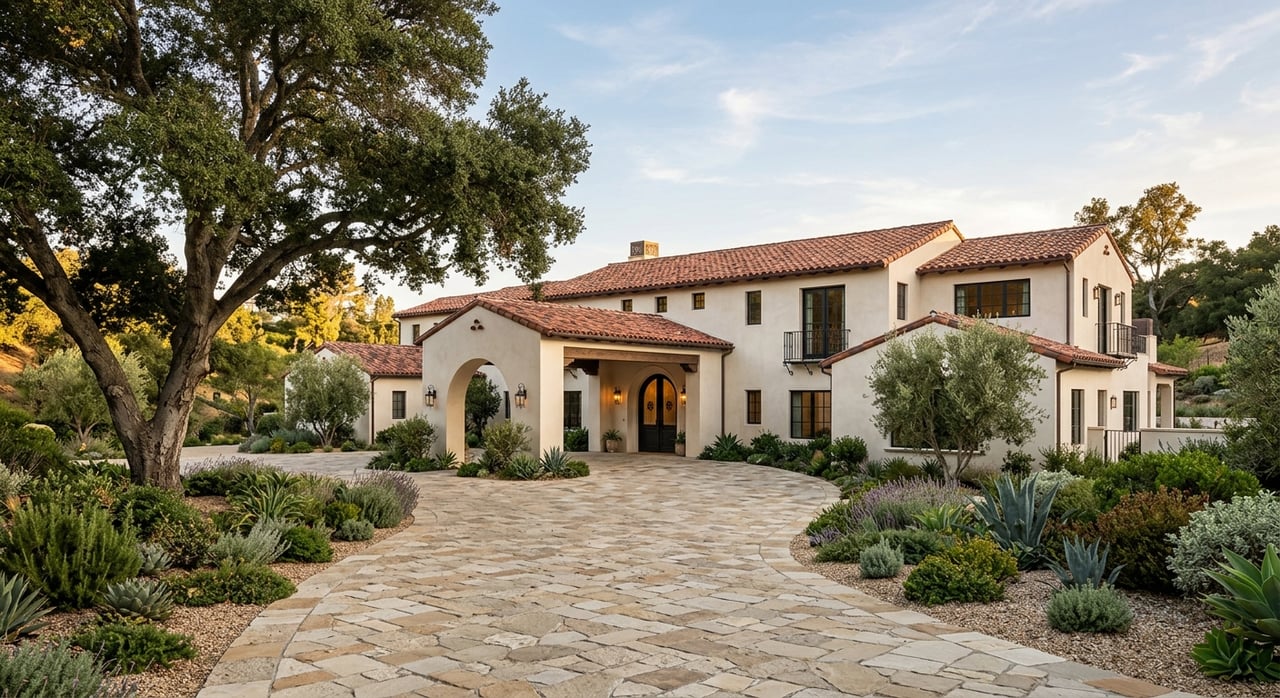
The city’s residential framework reinforces that feel. Saratoga includes large-lot residential districts such as R-1 10,000, 12,500, 15,000, 20,000, and 40,000, along with Hillside Residential areas. In everyday terms, that often translates to lower-density single-family living, more open space between homes, and a setting where lot size is a meaningful part of the lifestyle.
Daily Routines at Home
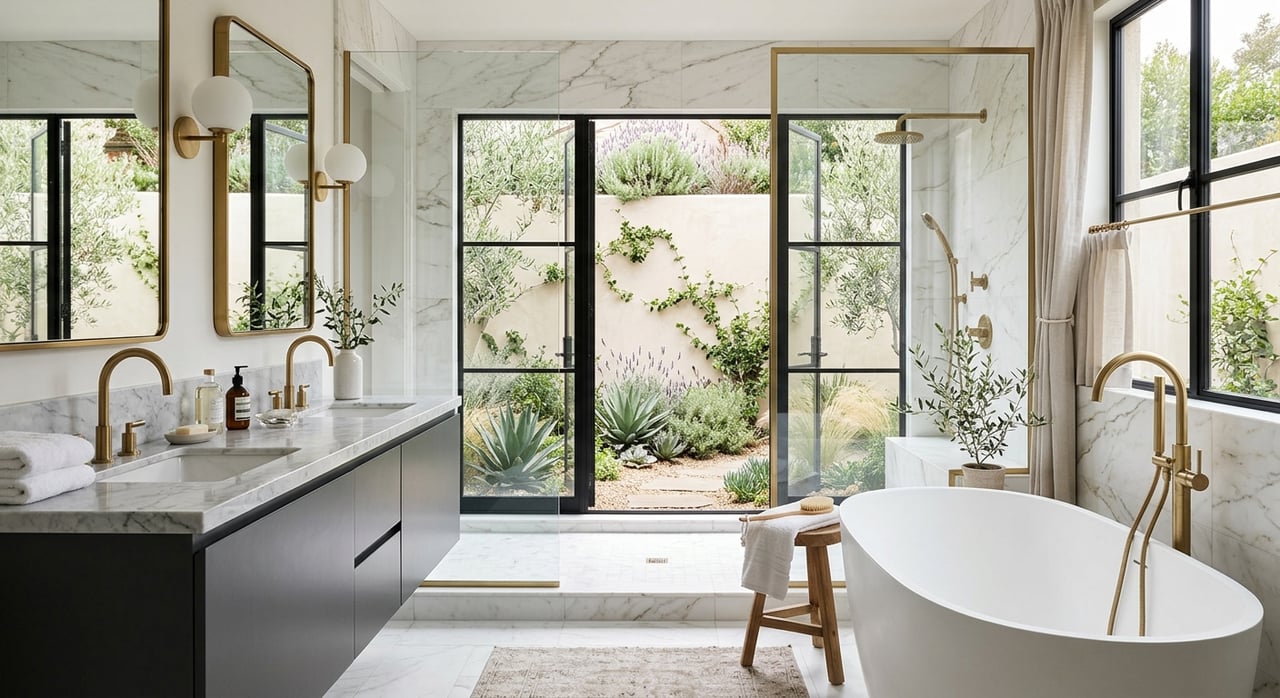
One of the clearest features of Saratoga estate living is how much of your day can happen at home without feeling confined. With 97.3% broadband subscription citywide, remote work is easy to imagine as part of the local routine. Many estate homes also feature dedicated offices, office and gym combinations, guest quarters, and flexible rooms that support changing household needs.
That flexibility matters if you want your home to work harder for you. A morning might start in a private office, shift to a workout or a walk, and end with outdoor dining in your own backyard. In Saratoga, the home itself is often part of the lifestyle draw, not just the place where you sleep.
Estate Amenities You Are Likely to See
Recent Saratoga listings show a consistent pattern in the types of amenities buyers encounter. Features commonly highlighted include guest houses or guest living areas, home offices, wellness or gym rooms, wine rooms, pools and spas, outdoor BBQ areas, covered dining spaces, sports courts, EV chargers, solar, and garden features such as fruit trees or raised beds.
These details speak to how homes are used day to day. Instead of one oversized showpiece room, many Saratoga estate properties are designed to support several routines at once, from work and entertaining to hosting guests and spending more time outdoors. That layered functionality is a big part of what makes the market feel practical as well as luxurious.
Indoor-Outdoor Living
Saratoga homes often lean into the California indoor-outdoor pattern. Listing examples describe formal living and dining rooms, large family rooms, great rooms that open to patios, and resort-style landscaping. The result is a living environment where gatherings can move easily from kitchen to patio to pool area.
If you enjoy entertaining, this setup can be especially appealing. You may find enough square footage to host guests while still keeping private areas separate for work, rest, or extended family visits. That balance of openness and privacy is a defining part of estate living here.
Space for Guests and Extended Use
Guest accommodations show up often in Saratoga estate properties. Depending on the home, that might mean a guest house, guest suite, in-law unit, or a flexible detached or semi-private space. For buyers who host often or want more separation between main living areas and visitor space, that can be a major advantage.
Saratoga also allows ADUs and JADUs on many single-family lots. That creates another path for using space in practical ways, whether you need guest quarters, a caregiver suite, or a private office or studio. For many buyers, this adds long-term versatility without changing the main home’s core function.
The Village Shapes the Social Routine
Historic Saratoga Village is the social center of town and an important part of the Saratoga experience. The city describes it as the heart of Saratoga, with dining, shops, galleries, coffee houses, parks, and trails along Big Basin Way. Local landmarks include the Saratoga Historical Museum and Park, Blaney Plaza, and the Saratoga Foothills Club.
For everyday life, that means your routine does not have to revolve only around the house. You can step out for coffee, dinner, or a casual walk through the Village without giving up the quieter residential setting that defines most Saratoga neighborhoods. That mix of privacy at home and convenient local activity is part of the city’s appeal.
Dining and Gathering Spots
The local dining scene adds variety without requiring a long drive. The Saratoga Chamber’s directory includes options such as Bell Tower Café, Darla Cafe, Hachi Ju Hachi, Jakes of Saratoga, Mandala Indian Cuisine, Pisco Bar, and The Hero Ranch Kitchen, along with several others.
For buyers relocating from more urban environments, that matters more than it may seem at first. Having a concentrated set of dining and gathering spots nearby can make a lower-density residential area feel connected and livable. It gives you choices while keeping the day-to-day experience simple.
Wine, Arts, and Garden Access
Saratoga’s lifestyle is also shaped by its wine and cultural amenities. The Saratoga Chamber lists local names such as Cooper-Garrod Estate Vineyards, House Family Vineyards, Mount Eden Vineyards, Savannah-Chanelle Vineyards, The Heid, Uncorked!, Domaine Eden, Roudon-Smith Winery, ManyFriends Brewing Company, and The Mountain Winery. This makes wine tasting and scenic outings part of the local rhythm rather than a special occasion that requires a full day trip.
Arts and gardens also play a visible role. Montalvo Arts Center spans 175 acres and includes a historic villa, artist residences, performance and exhibition venues, gardens, and trails through redwood forest, and it is open year-round and free to the public. Hakone Estate and Gardens, established in 1915, offers 18 acres of Japanese garden landscapes along with cultural events and art exhibits.
These destinations add texture to daily life. If you want more than square footage and curb appeal, Saratoga offers a setting where home life can blend naturally with outdoor culture, gardens, and creative spaces.
Outdoor Time Beyond the Backyard
Even with large lots and private yards, Saratoga’s nearby open space expands the lifestyle further. Fremont Older Preserve offers 739 acres of hiking, biking, and equestrian trails bordering Saratoga. Sanborn County Park sits about four miles west, with redwood forest, meadows, camping, and day-use areas.
That access supports a routine built around fresh air and movement. You can enjoy a substantial backyard and still have meaningful trail access close by, which is not always the case in luxury markets. For many buyers, that combination adds real value to daily living.
Saratoga’s Character and Architecture
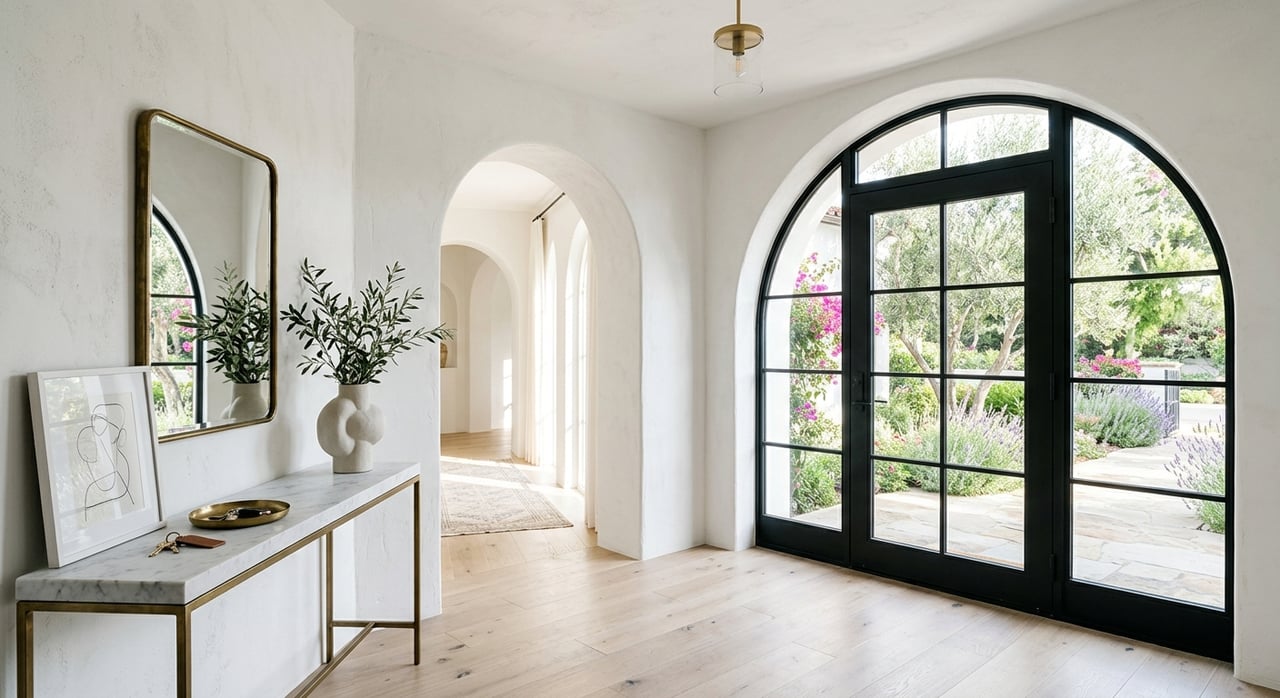
Saratoga does not feel visually one-note, and that is part of its charm. The city’s Heritage Resources Inventory identifies architectural styles such as Craftsman, Neoclassical, Renaissance or Italian Villa or Mediterranean Revival, Spanish Eclectic, Mission Revival, Tudor Revival, Colonial Revival, and Ranch. That range helps explain why the market can feel both established and refreshed at the same time.
The city’s orchard and vineyard history also still shapes its identity. Saratoga began as a frontier town and agricultural hub before becoming a residential community, and the Heritage Orchard remains one of the few remaining orchards in the Bay Area. For buyers, that history gives the area a stronger sense of place than you often find in purely suburban development patterns.
Practical Ownership Considerations
Estate living in Saratoga also comes with a stewardship component, especially if you are thinking about future updates. The city notes that new construction, major additions, second-story changes, footprint changes, and basement expansions typically trigger design review. Depending on the property, factors such as slope, protected trees, wildfire WUI status, geotechnical conditions, and ridgelines may affect what can be built.
This is especially important if you are comparing flatter in-town lots with hillside properties. A home’s setting can shape not just views and privacy, but also the review process for future improvements. Understanding those details early can help you match the right property to your long-term plans.
Hillside and Wildfire Context
Wildfire planning is an especially relevant issue for some Saratoga properties. The city states that Saratoga is one of six Santa Clara County communities with Very High Fire Hazard Severity zones, with the WUI predominantly covering the western hillsides. The city has also updated tree regulations, defensible-space requirements, and coordination with Santa Clara County Fire and the FireSafe Council.
For buyers considering hillside estate homes, this is not just a background detail. It is part of responsible ownership and part of how you evaluate maintenance, landscaping, and future planning. A clear understanding of these conditions can make the ownership experience smoother over time.
Why Saratoga Appeals to Estate Buyers
Taken together, Saratoga offers a lifestyle centered on space, privacy, and amenity-rich living. You get low-density single-family neighborhoods, large-lot patterns, a strong indoor-outdoor culture, and convenient access to Village dining, wineries, arts destinations, and regional trails. It is a setting where the house and the town both contribute meaningfully to your daily routine.
For buyers moving within Silicon Valley or relocating into the area, Saratoga can feel like a reset. You are still connected to the broader region, with a mean commute time of 25.1 minutes, but the day-to-day pace often feels calmer and more residential. If your goal is a home that supports work, entertaining, privacy, and outdoor living in one place, Saratoga deserves a closer look.
If you are exploring Saratoga estate homes or planning a move within Silicon Valley, our family would be glad to help you evaluate the lifestyle, the property details, and the market opportunities that fit your goals. Connect with The Chiavettas to start the conversation.
FAQs
What is Saratoga estate living like for daily routines?
- Saratoga estate living often centers on larger lots, home offices, guest space, outdoor entertaining areas, and easy access to Saratoga Village, wineries, gardens, and nearby trails.
What amenities are common in Saratoga estate homes?
- Recent listing examples show features such as guest houses, office or gym spaces, wine rooms, pools, spas, outdoor BBQ areas, sports courts, EV chargers, solar, and garden elements like fruit trees or raised beds.
What makes Saratoga different from other Silicon Valley communities?
- Saratoga stands out for its low-density single-family setting, large-lot residential pattern, architectural variety, orchard and vineyard heritage, and compact mix of Village, wine, arts, and trail amenities.
What should buyers know about Saratoga hillside properties?
- Hillside properties may involve added considerations such as slope, protected trees, wildfire WUI status, geotechnical conditions, ridgelines, and city design review for certain projects.
Are accessory dwelling units allowed in Saratoga?
- The city allows ADUs and JADUs on many single-family lots, which can support guest quarters, a caregiver suite, or a private office or studio depending on the property.
What nearby amenities support the Saratoga lifestyle?
- Saratoga Village, local wineries, Montalvo Arts Center, Hakone Estate and Gardens, Fremont Older Preserve, and Sanborn County Park all help shape the area’s everyday lifestyle appeal.