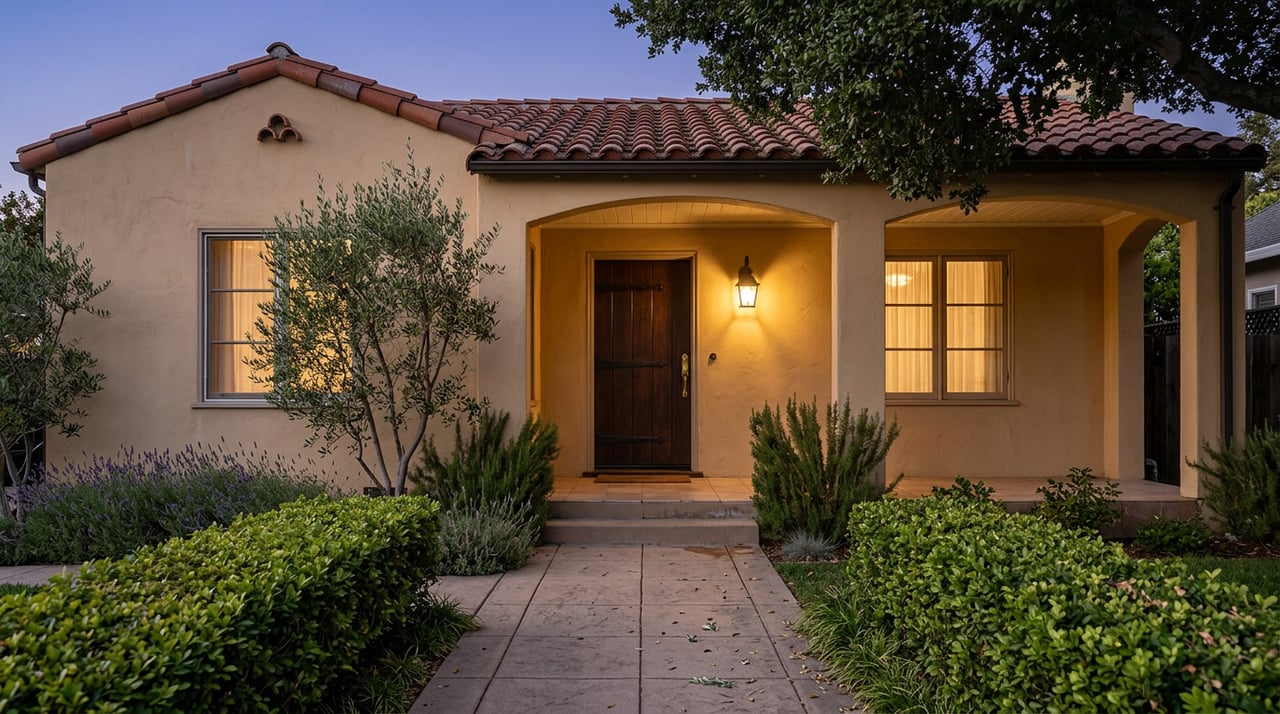
Is a Campbell home on your radar, but the price point has you wondering how the financing works? In Silicon Valley’s high-cost market, many buyers use jumbo loans to bridge the gap between savings and purchase price. You want clarity on limits, requirements, timelines, and how your income or condo choice affects approval. This guide breaks it all down so you can shop confidently and write a competitive offer. Let’s dive in.
Jumbo loans, defined
A jumbo loan is any mortgage that exceeds the conforming loan limit set by the Federal Housing Finance Agency. Conforming loans can be sold to Fannie Mae or Freddie Mac. Jumbo loans are not, so lenders set different rules and pricing.
To see if your target price in Campbell would require a jumbo, first check the current conforming loan limit for Santa Clara County. If your expected loan amount is higher than that figure, you are in jumbo territory.
Why jumbos are common in Campbell
Campbell sits in Santa Clara County, where home prices often exceed conforming limits. Inventory can be tight and listings can attract multiple offers. That mix makes jumbo financing a normal path for many buyers.
For a real-time view of pricing and competition, review C.A.R. county sales activity reports for Santa Clara County. Market conditions change, so align your loan strategy with current data and your specific property type.
How jumbo loans differ
Jumbo mortgages are funded by banks or private investors, not the conventional agencies. That means underwriting and pricing can vary more by lender.
- Rates: Jumbo rates are sometimes slightly higher than conforming, but the spread changes with the market. Your credit, down payment, and product type matter most.
- Down payment and PMI: Many jumbo lenders target 10 to 20 percent down for primary residences. Mortgage insurance options are limited on jumbos, so some lenders require larger down payments or use a second mortgage to avoid PMI.
- Documentation depth: Jumbo lenders often ask for more documentation, larger reserves, and closer review of assets.
For a quick overview of typical jumbo requirements, see Bankrate’s overview of jumbo loan requirements.
What lenders will look for
Every lender has its own playbook, but most evaluate the same core factors for jumbo approvals.
Credit score
Strong credit helps you qualify and secure better pricing. Many programs look for scores of 700 or higher, with the best pricing often at 740 to 760 and above. Some lenders allow lower scores with larger down payments and other strengths.
Down payment and loan-to-value
For a primary home, expect a typical minimum down payment in the 10 to 20 percent range. Second homes and investment properties often require more. If you plan a cash-out refinance later, expect tighter equity rules.
Debt-to-income ratio and reserves
Common maximum debt-to-income ratios fall around the mid 40s, though that varies. Jumbo loans often require larger cash reserves, sometimes 6 to 12 months of principal, interest, taxes, and insurance.
Income documentation
Full documentation is standard: W‑2s, recent pay stubs, and two years of tax returns. Self-employed buyers often provide two years of returns and a current profit-and-loss statement. If you have equity compensation like RSUs or stock options, lenders may count only a portion, or they may require a vesting schedule and history.
Review the CFPB guidance on mortgage documentation to prepare your file ahead of time.
Jumbo products you may consider
You can match the loan type to your timeline and risk comfort.
- Fixed-rate jumbos: 15-, 20-, or 30-year terms that deliver payment stability.
- Jumbo ARMs: Lower introductory rates for buyers who plan to sell or refinance within a set timeframe.
- Portfolio loans: Bank-held loans that can be more flexible, including for complex income or asset profiles common in tech.
- Alternative documentation and non-QM: Options for self-employed buyers or unique income cases. These often require larger down payments and carry higher rates.
- No-PMI structures: Some lenders pair a first mortgage with a second lien to avoid mortgage insurance, often with a larger combined down payment.
Local factors that can impact approval
Campbell homes and condos come with local details that matter to jumbo lenders.
Appraisals and comps
High-value properties can be hard to compare, especially when the market is moving quickly. A low appraisal can reduce the allowable loan amount. You can respond by renegotiating price, bringing more cash, or asking your lender to consider updated comparable sales.
Condos and HOAs
Many lenders require project approval and a review of HOA budgets, reserves, and owner-occupancy ratios. High HOA dues can affect your debt-to-income calculation. Confirm condo eligibility early to avoid delays.
Property taxes and assessments
Santa Clara County has a base property tax plus special assessments in some districts. These can raise your monthly housing cost and impact approval. Review the Santa Clara County Assessor’s property tax resources for current details.
Transfer taxes and recording fees
City and county fees apply at closing, and some Bay Area cities levy additional transfer taxes. Verify current costs with the Santa Clara County Clerk-Recorder recording fee schedules and your escrow officer.
Title and property-specific items
Older homes can have easements or nonstandard features like ADUs. Unique property attributes sometimes trigger extra underwriting review. Your real estate agent and title team can surface issues early.
Costs and typical timeline
Plan for more upfront cash than a smaller conforming loan.
- Upfront costs: Down payment, appraisal, lender fees or points, escrow and title, recording and transfer taxes, and prepaid insurance and property tax reserves.
- Monthly costs: Principal and interest, property taxes, homeowner’s insurance, and HOA dues if applicable.
- Timeline: Jumbo reviews can take longer due to documentation depth and complex appraisals. Many buyers plan for 30 to 45 days from contract to close.
How to prepare and shop lenders
A strong plan helps you write a cleaner, more competitive offer.
- Confirm your loan tier. Start by checking whether your target loan amount is above the Santa Clara County conforming limit using the FHFA link.
- Get fully preapproved, not just prequalified. Ask for a preapproval letter that specifically states you are approved for jumbo financing.
- Organize documents early. Two years of tax returns, W‑2s or 1099s, recent pay stubs, two to three months of asset statements, and details on vesting schedules for RSUs or stock options.
- Ask about overlays. Every lender treats equity compensation, reserves, and condo projects a little differently. Request written guidance on how they count RSUs and stock.
- Compare more than rate. Review reserve requirements, appraisal panels, turn times, and rate-lock rules. Ask about float-down options if rates drop.
- Consider experienced local lenders and mortgage brokers. Silicon Valley expertise with stock income and condo projects can streamline approval.
For consumer-friendly guidance, the CFPB’s Owning a Home resources can help you compare lenders and loan options.
Your next step in Campbell
If you expect to need a jumbo loan, the earlier you prepare, the better your offer strategy. We help you align price, financing, and timing with the realities of Campbell’s market so you can move with confidence. When you are ready to tour, write, and win, reach out to our family team at The Chiavettas for local guidance and trusted lender introductions.
FAQs
Do I need a jumbo loan to buy a home in Campbell?
- If your loan amount will exceed the current conforming limit for Santa Clara County, you will need a jumbo; verify the limit on the FHFA conforming loan limit page.
How much down payment is typical for a jumbo loan?
- Many primary-home jumbo programs look for 10 to 20 percent down, with larger down payments often required for second homes or investment properties.
Are jumbo mortgage rates always higher than conforming rates?
- Not always; the spread changes with market conditions, and your credit, down payment, and loan type usually influence pricing more than the jumbo label alone.
Can I use RSUs or stock options to qualify for a jumbo?
- Often yes, but lenders treat equity compensation differently; some count only vested RSUs and may require a history or liquidation plan, so ask how your lender documents these.
Can I get a jumbo loan for a Campbell condo?
- Possibly, but lenders must approve the condominium project and review HOA budgets, reserves, and owner-occupancy ratios, so check project eligibility early.
What happens if the appraisal comes in low on a jumbo purchase?
- A low appraisal can reduce your maximum loan amount; you can renegotiate price, bring additional cash, or work with your lender to address comps and request reconsideration.