Pricing a Los Gatos home is not a one-size-fits-all exercise. You are dealing with a town where buyers compare commute routes, school attendance areas, lot usability, and remodel quality, sometimes within a few blocks. If you get the price right, you maximize exposure, reduce days on market, and protect your negotiating power. In this guide, you’ll learn how to use data, understand Los Gatos micro-markets, and pick a strategy that fits your goals. Let’s dive in.
Why pricing in Los Gatos is different
Los Gatos carries a high baseline price because of its walkable downtown, strong civic amenities, and desirable schools. That baseline varies by neighborhood, lot, and condition, which is why micro-market context matters so much.
Local pricing is sensitive to a few big drivers. Tech employment and commuting via I-280, SR-85, and SR-17 shape buyer demand. Mortgage rates and inventory levels can shift negotiation dynamics quickly, and seasonality often lifts activity in spring.
Quick market snapshot: what to track
For an accurate read, monitor these metrics with dates and sources:
- Median sale price and median price per square foot.
- Inventory and months of supply.
- Median days on market and list-to-sale price ratio.
Use your agent’s MLS for the most current sold, pending, and active data. For broader context, compare Santa Clara County trends from the California Association of REALTORS market data hub. Public sources like the Redfin Data Center and Zillow Research data are helpful for trends, but methods differ. Always date your figures and note the source.
Micro-markets that move price
Los Gatos is a collection of distinct submarkets. Your pricing should reflect the buyer pool for your specific area and property type.
Downtown Los Gatos (95030)
Walkable, near boutiques and restaurants, with older homes on smaller lots. Buyers here pay for lifestyle and proximity to amenities.
Blossom Hill and Shannon corridors
Newer subdivisions and mid-century homes with good commuter access. Condition and layout updates can drive sharp shifts in price per square foot.
Foothills, Belwood, Belgatos, Redwood Estates
Hillside and canyon settings with larger lots and privacy. Views, solar exposure, and usable yard space carry premiums, but access and topography must match when comparing comps.
Monte Sereno and adjacent estate areas
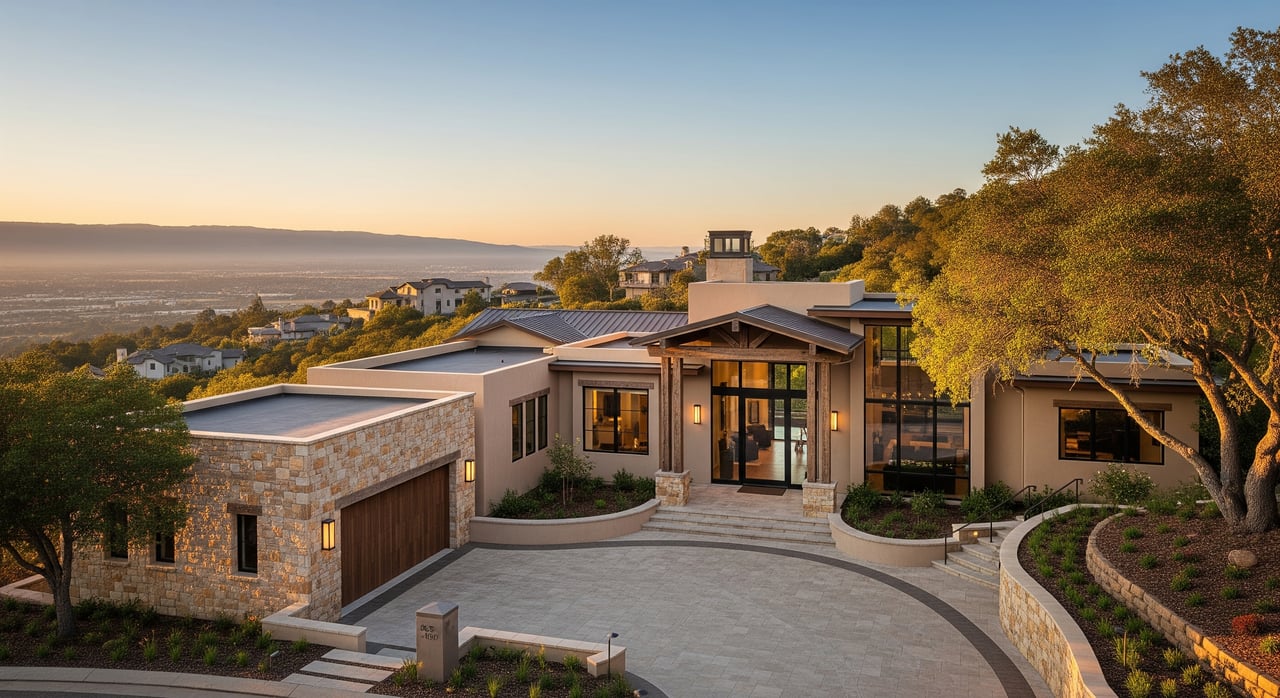
Very limited inventory and high price per square foot. Treat this as its own high-end micro-market with a smaller, more discerning buyer pool.
Condos and townhomes
Scattered across town, typically drawing first-time buyers and downsizers. HOA condition, amenities, and monthly dues are key value drivers.
Small-lot infill and rebuilds
Remodeled or new-construction homes that offer turnkey living. Pricing hinges on design quality, permits, and alignment with current buyer tastes.
Common value drivers across micro-markets:
- School attendance area and proximity to campus resources. Verify boundaries with the Los Gatos–Saratoga Union High School District and tools like GreatSchools.
- Lot size and usability versus steep hillside terrain.
- Views, privacy, and solar exposure.
- Proximity to downtown amenities versus commute corridors.
- Age and condition, from original to fully remodeled.
- Zoning, lot coverage, and potential for ADUs.
How to choose comps in Los Gatos
Selecting comps is about similarity and recency. Start with 3 to 6 recent solds that match property type, size, bed/bath count, lot characteristics, and condition.
- Geography: for downtown or denser areas, keep a tight radius of roughly 0.25 to 0.5 mile. For rural or hillside properties, widen your radius but match topography and lot size.
- Timeframe: use 90 to 180 days for active markets. Extend up to 12 months if sales are scarce, and explain the reasoning.
- Match condition: original versus remodeled homes draw different buyers. Adjust for features like garage count, pool, permitted ADU, view, and school area.
- Note expired and withdrawn listings. These show where buyers rejected the price.
A step-by-step pricing plan
Use a clear comparative market analysis process to build a pricing range.
- Gather sold comps that closely match your home on type, size, condition, and lot.
- Review current active and pending listings to understand your competition and pricing bands.
- Compare price per square foot, but be careful when sizes and layouts differ.
- Qualitatively adjust for condition, lot usability, garage, pool, permitted ADU, view, and school area.
- Produce a pricing range with low, target, and high scenarios tied to likely buyer types and time-to-sell expectations.
Three list price strategies
You can set a list price to maximize exposure, maximize predictability, or test the market. Pick the one that fits the property and your goals.
- Price for maximum exposure. Slightly under market value can drive strong traffic and potential multiple offers. This works best when inventory is constrained and the property is compelling.
- Price at market value. List in line with the best comps to aim for clean offers and predictable days on market.
- Price above market. Testing higher can make sense for unique properties with minimal competition. Expect longer time on market and plan for a timely, measured reduction if needed.
Tactical moves that protect your price
- Set expectations on list versus sale price using recent list-to-sale ratios in Los Gatos. Your agent should show the last 3 to 6 months.
- Use offer deadlines and coming-soon periods carefully. MLS rules vary, so stay compliant.
- Encourage buyer pre-qualification and consider escalation clauses to reduce fall-through risk.
- Prepare for appraisal risk, especially if pricing ahead of comps. For unique or high-end homes, consider a pre-listing appraisal and provide a comps package to the appraiser.
- Manage price reductions early. Small, timely adjustments often work better than large, late ones.
What impacts value beyond price
Non-price levers can lift perceived value and improve your net.
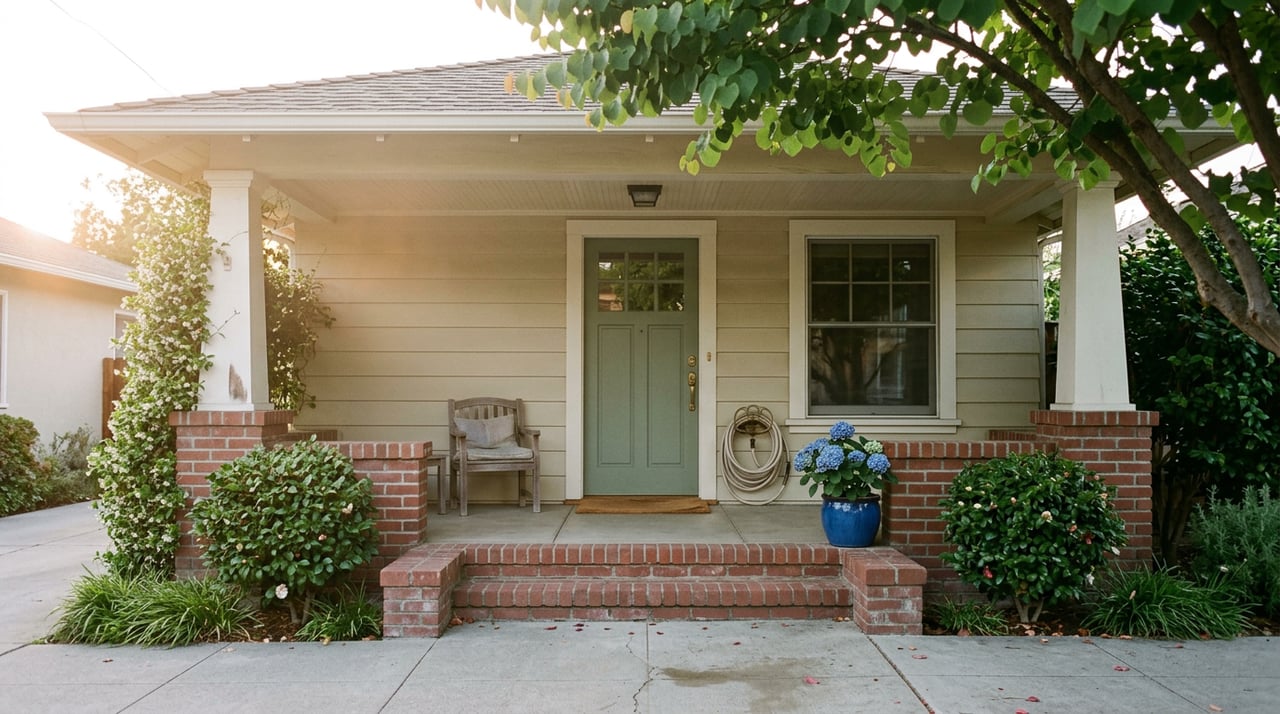
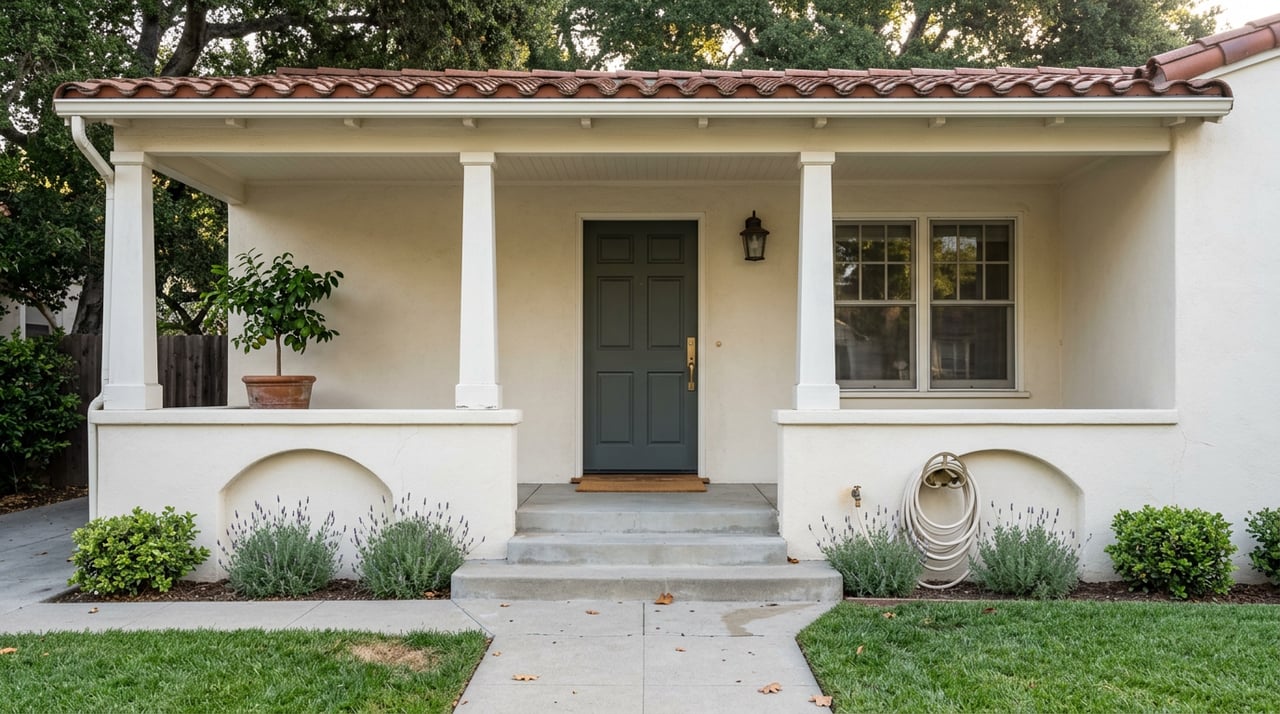
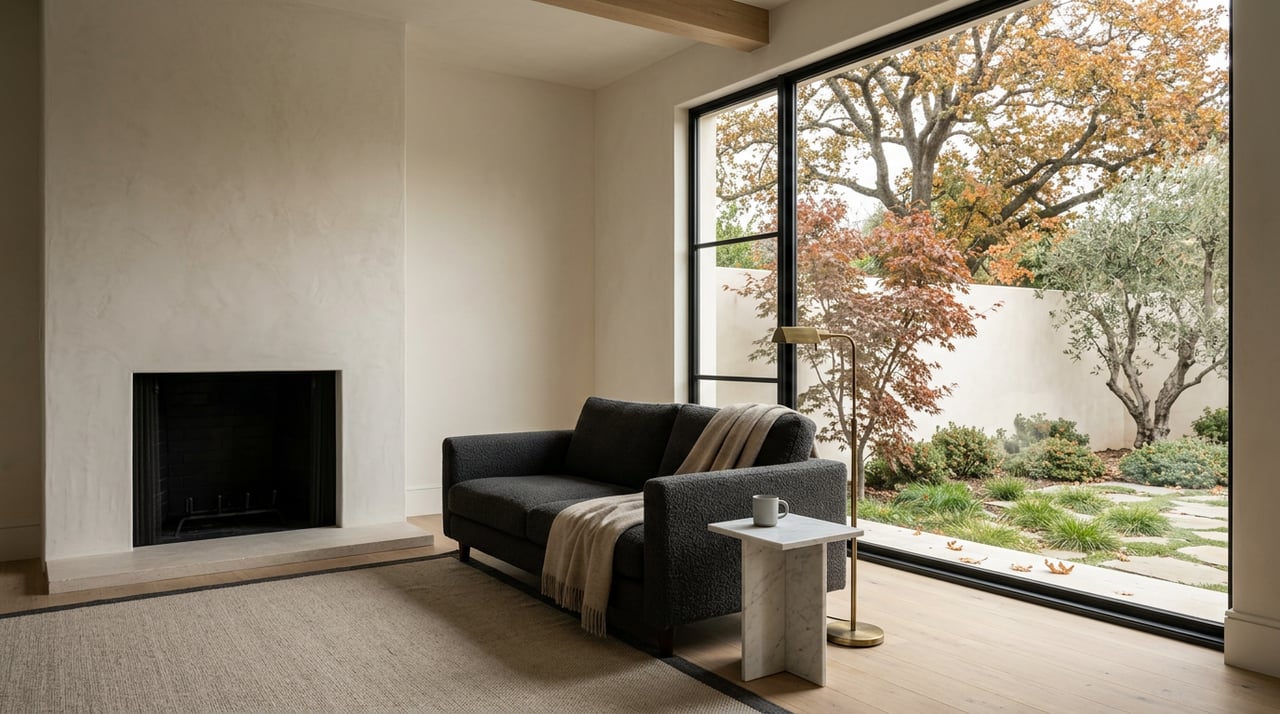
- Staging and curb appeal. Professional staging and thoughtful exterior prep increase buyer appeal, especially for downtown and turnkey segments.
- Professional media. High-end photography, floor plans, and 3-D tours are critical for luxury price points and remote buyers.
- Minor repairs and cosmetic updates. Strategic refreshes in kitchens and baths can return more than they cost in strong buyer segments.
- Pre-inspections and complete disclosures. Fewer unknowns reduce buyer risk discounts and speed decisions.
Local rules, hazards, and disclosures
Understand the paperwork and local factors that influence buyer confidence and price.
- California disclosures: Transfer Disclosure Statement, Natural Hazard Disclosure, and lead-based paint disclosure for homes built before 1978.
- Municipal checks: verify any current city or county requirements and permits with the City of Los Gatos and Santa Clara County.
- Fire risk: parts of Los Gatos are in higher fire severity zones. Review the Cal Fire Fire Hazard Severity Zones and consider defensible space and roof materials.
- Flooding and drainage: consult the FEMA Flood Map Service Center for flood zones.
- Permits and unpermitted work: buyers often ask for permit history. Unpermitted additions can reduce confidence and price.
- Property taxes: under Prop 13, property is reassessed at sale. Check parcel taxes and assessments with the Santa Clara County Assessor.
Where to get verified numbers
- MLS data via your agent for the most accurate recent sold and pending comps.
- County and city sources for parcel and permit checks: Santa Clara County Assessor and the City of Los Gatos.
- Regional trend context from the California Association of REALTORS market data.
- Public trend snapshots from the Redfin Data Center and Zillow Research data. Note that provider methodologies differ.
- School information from the Los Gatos–Saratoga Union High School District and GreatSchools.
Ready to price your Los Gatos home?
If you want a pricing plan tailored to your address and micro-market, our family team is here to help. We combine local insight with Coldwell Banker Global Luxury reach, premium staging, professional media, and property microsites to showcase your home at its very best. Start the conversation today with The Chiavettas.
FAQs
How much is my Los Gatos home worth today?
- Value depends on your micro-market, condition, lot usability, and recent comps; ask for a current MLS-backed CMA and date every data point.
How do I choose comps when neighborhoods differ so much?
- Match property type, size, bed/bath count, lot and topography, and condition, then use a tight radius downtown and a wider, topography-matched radius in the hills.
Does proximity to Los Gatos High School affect value?
- School attendance areas can influence buyer demand; verify boundaries with the Los Gatos–Saratoga Union High School District and neutral tools like GreatSchools.
Should I do a pre-listing inspection or appraisal?
- Pre-inspections reduce buyer friction and risk discounts, and a pre-listing appraisal can help with unique or high-end homes where comps are scarce.
How do interest rates affect my asking price?
- Higher rates reduce purchasing power, so sellers may need to be flexible on price or concessions when rates rise and buyer affordability tightens.
Will pricing low guarantee a bidding war?
- Pricing slightly under market can boost exposure in low-inventory conditions, but multiple offers are not guaranteed and depend on property appeal and competition.