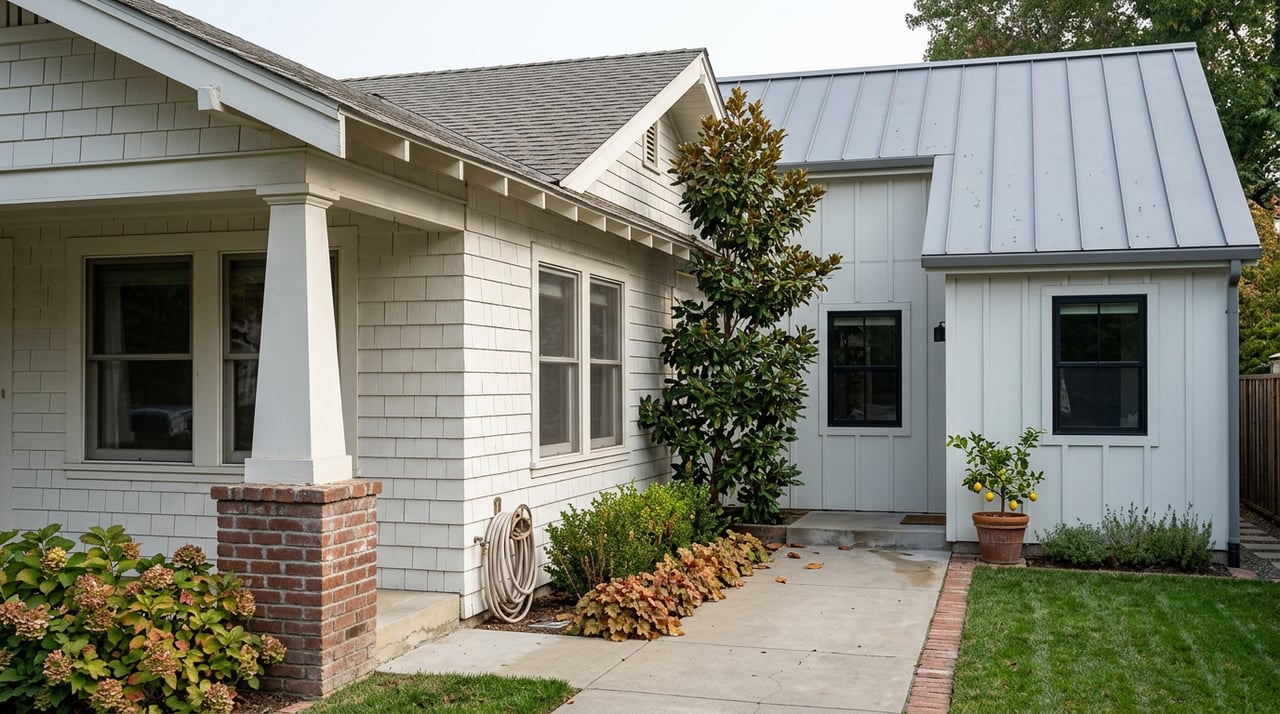
If you have been watching Willow Glen listings from outside the neighborhood, you have probably run into a number that does not match what you saw last week. That is not a glitch. As of March 2026, Redfin's neighborhood data put Willow Glen's median sale price at $1.9 million, down 6.1 percent from the year before, while the average sale price climbed to $2.1 million, up 12.3 percent over the same period. Price per square foot slid 3.5 percent. Meanwhile Houseberry's 2026 tracking shows the opposite direction on the headline figure, a median up about 6.7 percent over the trailing twelve months, from $2.12 million to $2.26 million.
Two data sets, same neighborhood, same rough window, and they cannot agree on whether prices are rising or falling. That disagreement is not a data quality problem you should shrug off. It is the most useful fact in this whole conversation, because it means Willow Glen stopped behaving like one market some time ago, and anyone comparing it to another Silicon Valley neighborhood using a single median number is comparing something that does not exist.
Two Snapshots, Same Neighborhood
Here is what each source was actually measuring, side by side.
| Metric | Redfin (as of March 2026) | Houseberry (2026 annual) |
|---|---|---|
| Median or comparable price | $1.9M, down 6.1% year over year | $2.26M, up 6.7% year over year |
| Average price | $2.1M, up 12.3% year over year | Not separately reported |
| Price per square foot | $1,080, down 3.5% year over year | Not separately reported |
| Typical time to sell | About 10 days, down from 13 | Not reported |
| Offers per listing | About 4 on average | Not reported |
Notice that the median and the average in the Redfin column are not just different numbers, they moved in opposite directions in the same window. When the middle of the distribution drops while the mean climbs, that almost always means the mix of what sold changed, not that buyers suddenly decided homes were worth less. A handful of very large sales at the top can pull an average up while more modest transactions at the center pull the median down, and both things can be true in the same twelve months.
The falling price per square foot adds a second layer. If bigger, pricier homes were simply selling more often, you would expect price per square foot to hold roughly steady or rise, since larger, updated homes typically command more per foot, not less. A softening in that number alongside a rising average suggests something else is happening on the ground.
What's Likely Selling Under the Same Zip Code
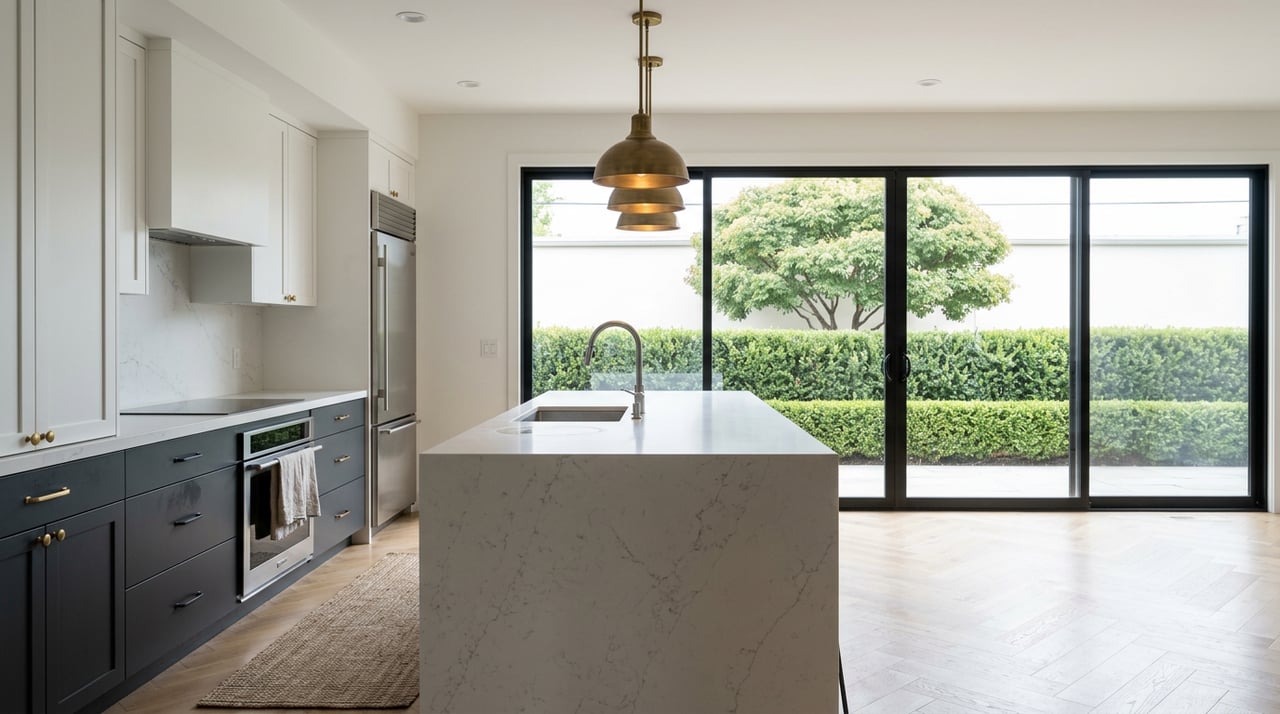
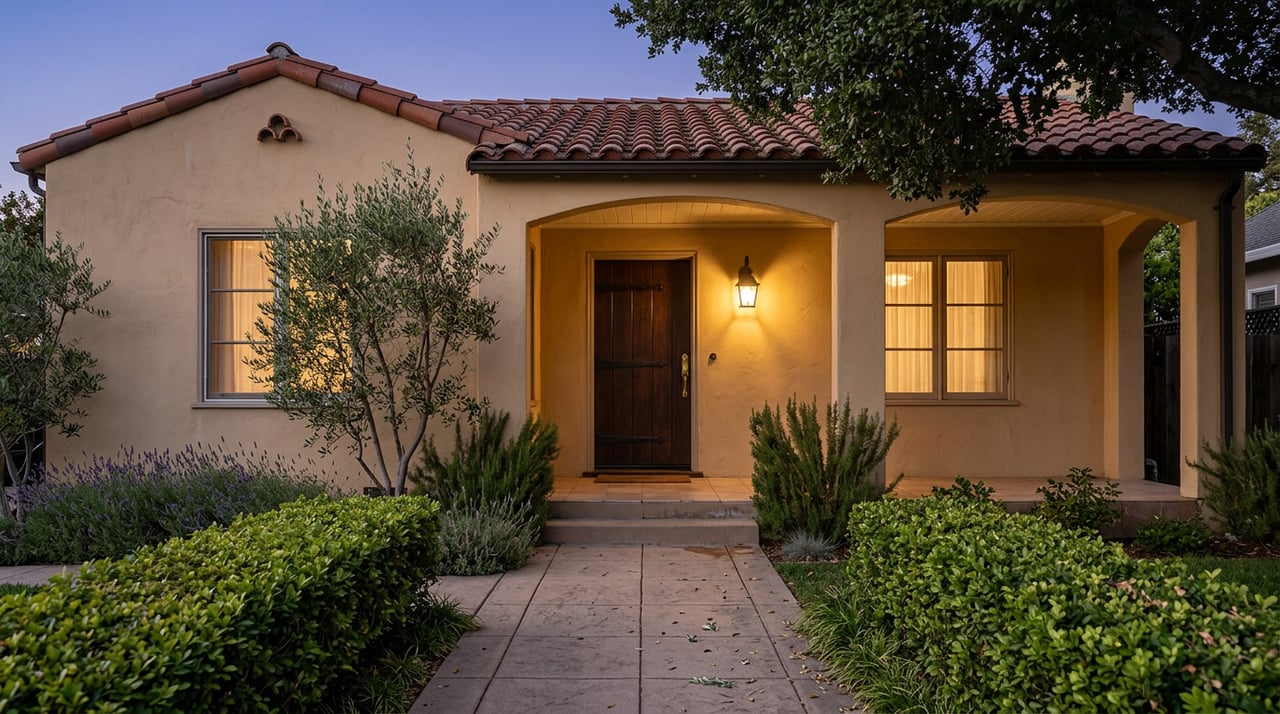
Willow Glen's housing stock is not one product. Local contractors who work across San Jose neighborhoods describe the area as anchored by 1920s Craftsman bungalows, small by current standards, often on modest lots, many of them never substantially expanded. Sitting next to those original homes are properties that have gone through full additions, kitchen and primary suite expansions, and systems upgrades that add square footage at premium finish levels.
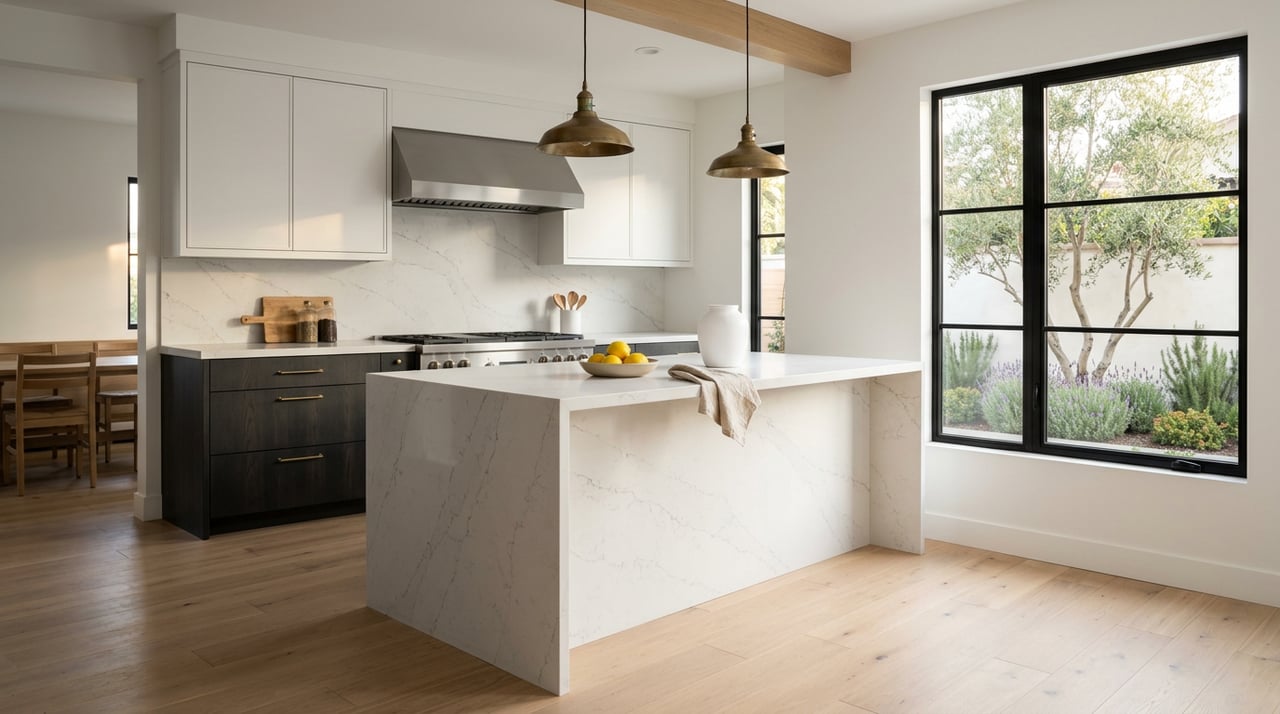
Those are two different products wearing the same neighborhood name. An original 1,200 square foot bungalow with its original systems is going to price differently, on a per square foot basis, than a 2,400 square foot home built from the same original footprint but doubled through an addition. If more of this year's closings skewed toward untouched originals, the median sale price drops because the "middle" transaction is smaller and less finished, even while a smaller number of fully expanded homes at the top of the range keep the average high. The falling price per square foot fits the same story: additions rarely cost as much per new square foot as the original structure did to build, so a wave of addition-driven sales can pull that blended figure down even as total sale prices climb.
This is not a certainty pulled from a single data point. It is the pattern the numbers are consistent with, and it matters because it changes what question a buyer should be asking. The question is not "what is Willow Glen's median." It is "which of these two products am I actually looking at, and is it priced like one."
Not One Willow Glen, Several
Willow Glen itself is not a single, uniform footprint. Longtime local market trackers who cover Santa Clara County describe it as a patchwork of smaller pockets that do not move together, including Palm Haven, The Willows, Dry Creek, St. Francis Woods, north Willow Glen, and the walkable core closest to Lincoln Avenue. Separate neighborhood data tags Willow Glen overall with the labels Bungalow Grid and Walkable Main Street, which fits the historic core but does not necessarily describe every pocket on that list.
That matters for the median conversation because a single neighborhood-wide number blends all of these together. A buyer comparing a listing in the walkable bungalow grid near Lincoln Avenue to one in a quieter pocket several blocks out is not making an apples to apples comparison just because both fall under "Willow Glen" on a portal filter. Lot size, original build era, and proximity to the commercial core can vary meaningfully within a few blocks, and none of that shows up in a headline median.
The Renovation Math the Median Doesn't Show
Here is where the bungalow question turns into an actual number, not just a description. California has spent the past several years streamlining accessory dwelling unit approval statewide, and San Jose runs a dedicated ADU Ally contact inside its Permit Center specifically to help homeowners move projects through plan review without the process stalling. Industry estimates cited by ADU-focused contractors put the potential value increase from a well-built ADU at 20 to 30 percent of a property's worth, with annual rental income in the range of $18,000 to $48,000 depending on the unit and the market.
That range will not apply evenly to every lot, and any homeowner considering it should verify feasibility against their specific parcel through the city's own ADU checklist. But the existence of that streamlined path changes how an untouched Willow Glen bungalow should be evaluated. Its current price per square foot reflects what it is today, an original structure without an expansion. It does not reflect what a buyer willing to go through San Jose's ADU process could add to a lot that was never fully built out. That upside is real, it is priced into some sales and not others depending on whether a seller already captured it, and it is exactly the kind of detail a single median figure cannot carry.
Frequently Asked Questions
Is Willow Glen currently a buyer's market or a seller's market? By the same March 2026 Redfin data, it is still tight. Homes were receiving about 4 offers on average and going pending in around 10 days, down from 13 days the year before. A softer median does not mean softer competition at the point of sale.
Does a lower neighborhood median mean I can offer less on a specific bungalow? Not on its own. The median dropping reflects a shift in which homes sold, not necessarily that any individual home lost value. With multiple offers still common and homes still moving in about a week and a half, treat the median as context, not as a comp for the specific house in front of you.
What should I actually be comparing between two Willow Glen listings? Price per square foot, lot size, and whether the home has already been expanded or renovated matter more than a shared neighborhood label. Two listings a few blocks apart can be different products entirely, and the sub-pocket they sit in, whether that's the walkable core, Palm Haven, The Willows, Dry Creek, or St. Francis Woods, can carry its own dynamics that a single headline number will never show you.
If you are weighing an original Willow Glen bungalow against a fully renovated one, or trying to figure out what a specific lot could support under San Jose's current ADU rules, that is exactly the kind of comparison a portal filter cannot make for you. The Chiavettas work Willow Glen block by block, not neighborhood-wide, and can walk you through what a specific address is actually worth right now, bungalow, addition, or ADU potential included. Reach out and we will get you real numbers for your situation, not a blended average.